
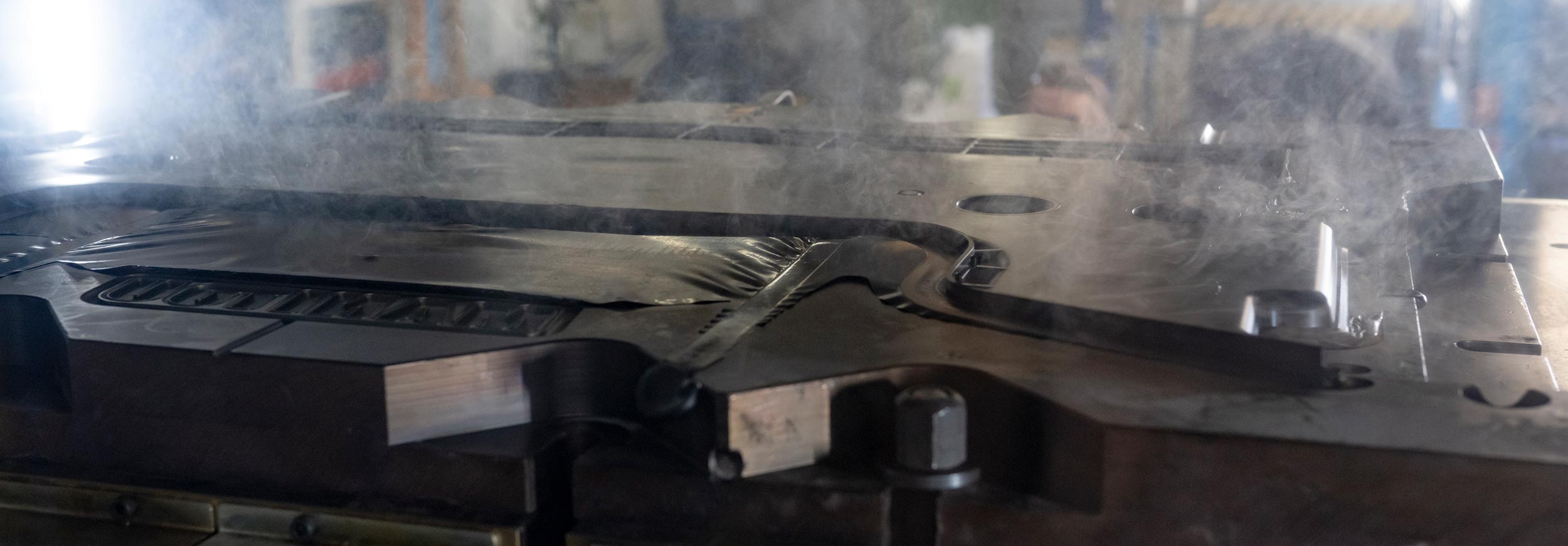
Compression moulding
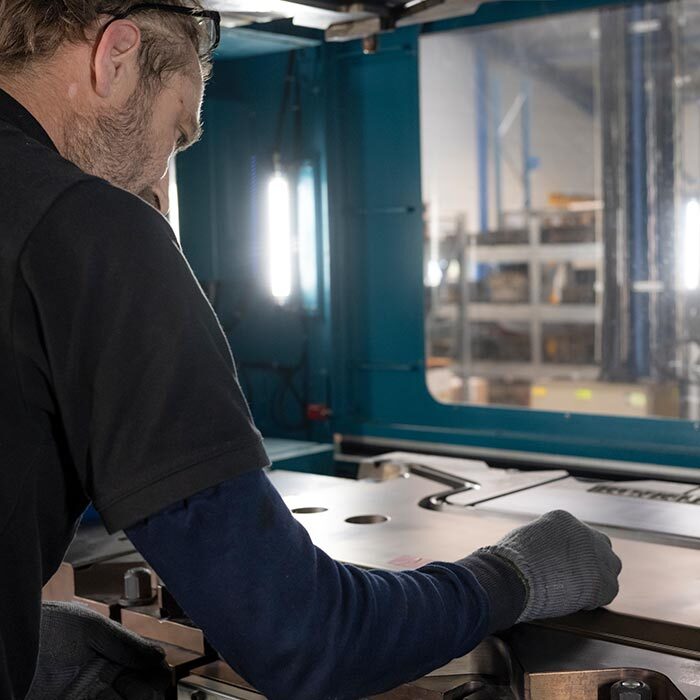

Compression moulding allows for moulding parts of all sizes, of very different weights, of variable hardnesses and from standard materials or custom-formulated.
How does it work?
Compression moulding requires various manual operations prior to vulcanization, such as the preparation of raw compound blanks which are then placed in the mold cavities or in a transfer pot before compression. The duration of the moulding cycle is linked to the nature of the elastomer and the geometry of the part. Once vulcanization is complete, the rubber part is demolded and then inspected.

Production capacities
- Compression presses from 70T to 1,000T
- Recent machinery fleet, regularly renewed
- Specific equipment on presses:
— Very large platens
— Demoulding kits
Examples of pieces
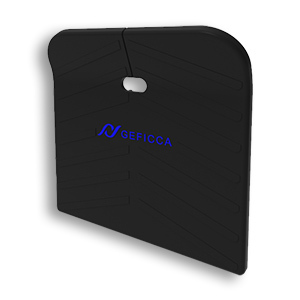
Cladding
Anti-fatigue mat
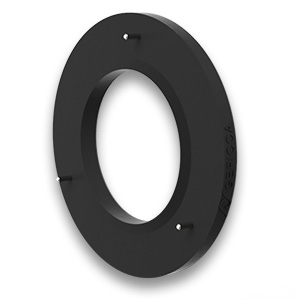
Sealing
Elastic fitting
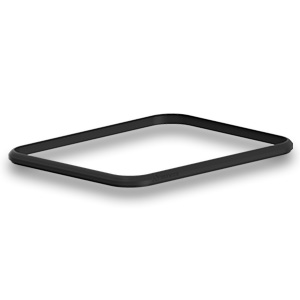
Sealing
Battery seal
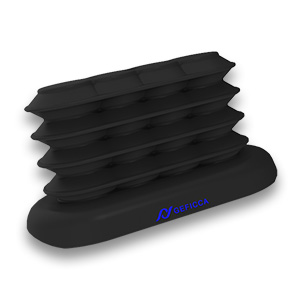
Sealing